Harare lock windows: fantasy map for India’s three T20Is vs Zimbabwe
India open a three-match T20I series against Zimbabwe at Harare Sports Club on 23 July 2026, with two more games on 25 and 26 July — each set for 4:30 PM IST under captain Shreyas Iyer. For fantasy drafts, the story is not a long bilateral arc; it is three tight lock windows on one ground.
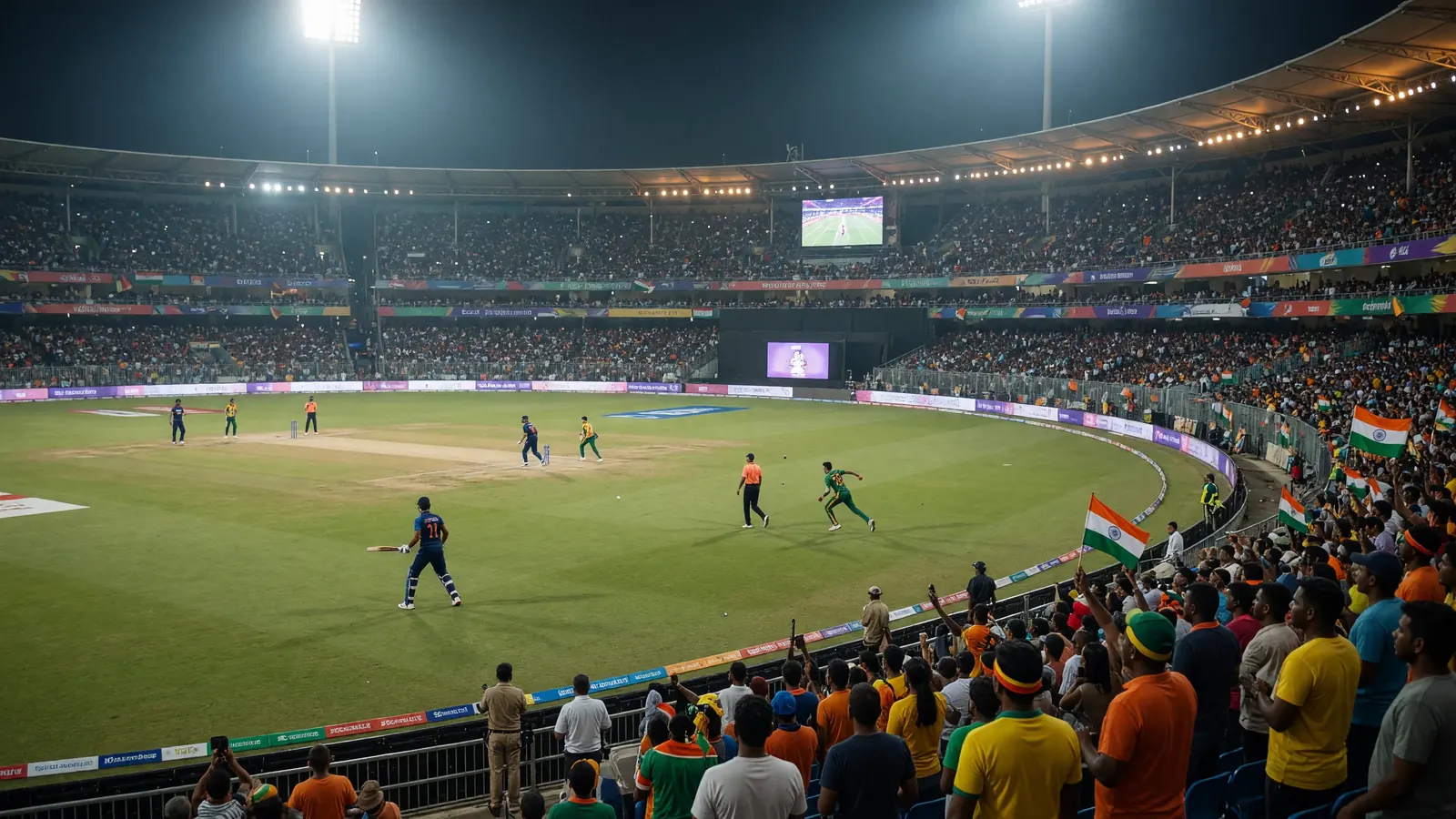
Three fixtures, one clock
The verified schedule is compact. All three Twenty20 Internationals are at Harare Sports Club in Harare, on 23, 25 and 26 July 2026, with a uniform 4:30 PM IST start. That packing matters more for fantasy process than for travel logistics. There is almost no recovery gap between the second and third games, and only one spare day after the opener.
Treat the series as three separate contest locks, not one multi-match thesis. A player benched on 23 July can still own a powerplay or finishing role on 25 July if management is rotating exposure. A seamer who bowls the death in the first game can share or lose that block by the third. The fixed venue removes some noise, but it does not freeze batting order or over allocation.
Build a personal cutoff 20–30 minutes before each first ball. Most platforms close entries near the scheduled start; a late XI graphic can still arrive inside that window. Write assumptions down after each game — who bowled the 19th over, who walked out at five, who kept — before you open the next lobby. Memory is a poor ledger when fixtures sit this close together.
Reporting published by The Indian Express on 22 July 2026 listed the full schedule, both squads, broadcast arrangements and the T20I head-to-head ledger. The event underneath those lists is straightforward: India begin the Harare assignment under Shreyas Iyer with a group built around selective rest and extended looks for younger batters.
Rest policy and the keeper market
Sanju Samson, Player of the Tournament at the 2026 T20 World Cup, has been rested for this series. That single selection call redraws the fantasy wicketkeeper market for Harare. Platforms still require a designated keeper, so opportunity moves to whoever India name behind the stumps and to middle-order batters who inherit balls Samson would otherwise have faced.
Clear Samson from every draft the moment the squad is public. Points models that still price World Cup form into this series are already stale. Free the salary, then rebuild the keeper slot from confirmed names only — not from franchise habit or last-season defaults.
India’s published batting group includes Ishan Kishan and Prabhsimran Singh among the gloveman-capable options, alongside captain Iyer and a cluster of top- and middle-order names. Until the XI is named, do not assume a default keeper. Confirm the gloves first, then the batting position. A keeper opening or sitting at four is a different asset from a keeper batting at seven with five overs left.
Iyer’s own early captaincy line is part of the stability story, not a fantasy multiplier by itself. After taking over T20 leadership from Suryakumar Yadav, his first two series as skipper finished 2-0 against Ireland and 4-0 against England, with one England match washed out. A captain on a winning bilateral run is less likely to tear up combinations without injury, yet a development window in Harare still exists to move younger batters through meaningful overs. Field captaincy does not automatically equal captaincy on a fantasy sheet; expected balls and finish opportunities still decide the multiplier case.
Reading India’s squad as a role inventory
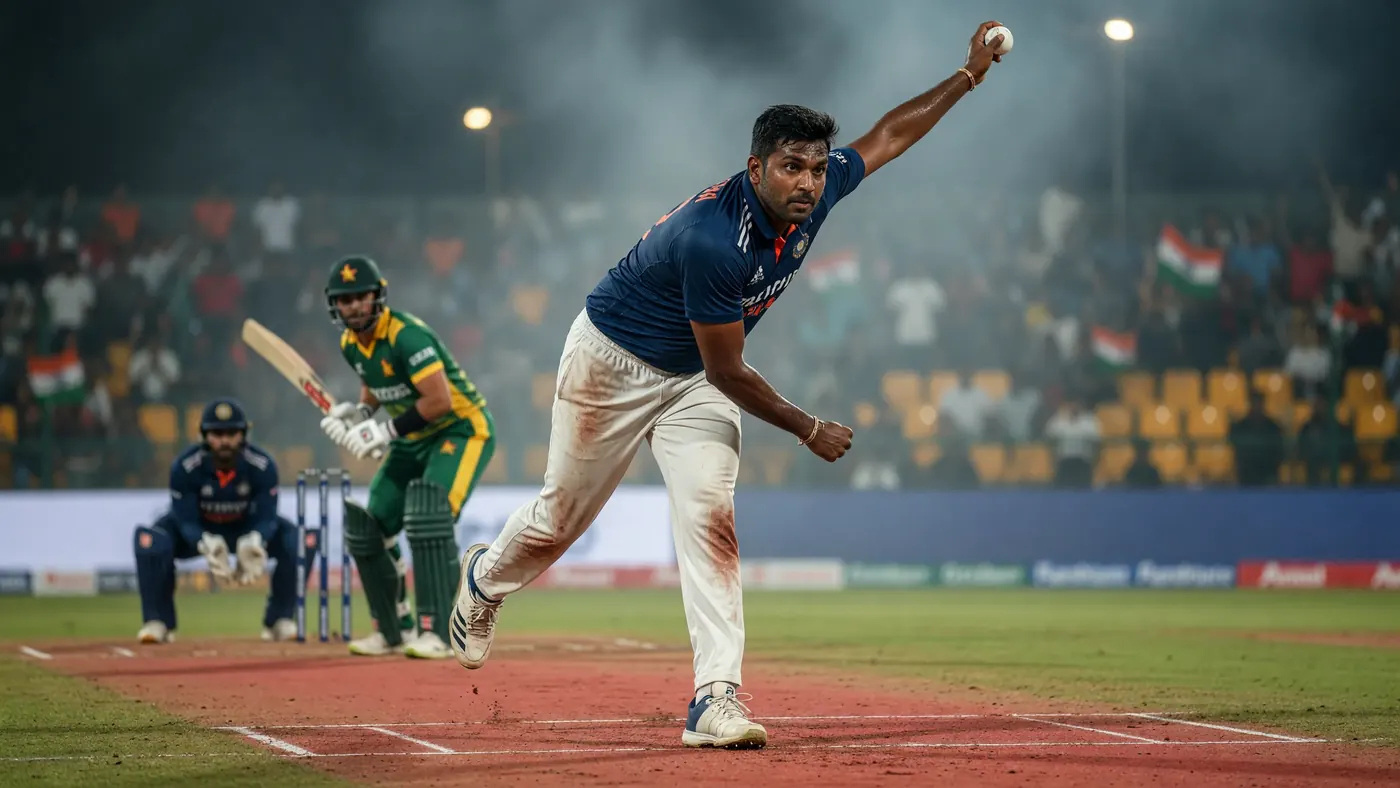
The named India squad is: Shreyas Iyer (captain), Tilak Varma, Vaibhav Sooryavanshi, Abhishek Sharma, Ishan Kishan, Shivam Dube, Suryansh Shedge, Rinku Singh, Harsh Dubey, Ravi Bishnoi, Prince Yadav, Yash Thakur, Ashok Sharma, Mayank Yadav and Prabhsimran Singh. For fantasy work, read that list as a role inventory rather than a ranking of reputation.
Vaibhav Sooryavanshi is expected to get a longer run after scores of 13, 14 and 15 on debut against England. Those returns are modest on the scoreboard, yet the selection message is continued trust, not a one-series sample. A longer runway can still carry a low floor if the role is real — especially if he keeps new-ball access or a fixed top-order berth. Do not auto-exclude on three quiet scores when the squad itself signals more looks; equally, do not treat continued trust as a guaranteed ceiling in a three-game sample where one early wicket can erase a plan.
Abhishek Sharma’s upside usually sits in aggressive top-order intent and occasional left-arm spin. Tilak Varma’s case is middle-order control plus the chance of a few overs when India want a fifth bowling option. Shivam Dube and Suryansh Shedge need clarity on whether they are pure hitters or dual-route picks on a given night. Rinku Singh’s finishing reputation only pays when he walks out with enough balls left and a platform already built. None of those lines is a pick endorsement. They are role questions to settle against the toss sheet before lock.
In small-league formats, secure early involvement often beats speculative finishers. In large fields, one high-ceiling differential can separate identical Indian-heavy cores — but only if the role is actually awarded. Write the role first; the name second.
Seam and spin: phase before reputation
Bowling-leaning names in the published group include Harsh Dubey, Ravi Bishnoi, Prince Yadav, Yash Thakur, Ashok Sharma and Mayank Yadav, with several batters able to bowl part-time overs. The cleanest pre-series discipline is to tag every selected seamer and spinner with a phase — powerplay, middle, death or shared — once the XI is out. Two “pace picks” without phase clarity often cancel each other if only one receives the overs that score.
Ravi Bishnoi’s fantasy case typically rises when he owns a middle-overs block against batters hunting boundaries after the field spreads. Mayank Yadav’s case, when fit and selected, is pace and disruption with the new ball or at the death — high ceiling, high variance. Yash Thakur and the other seam options need the same phase label before they enter a core. Harsh Dubey adds a spin-bowling all-round shape if trusted with both bat and ball; dual-route players can rescue a quiet batting day in head-to-head contests, yet they are less automatic in large fields where a specialist ceiling is often required.
Three matches in four days also encourage rotation if a seamer looks sore or if management wants a second look at spin. Series-long “set and forget” teams are fragile here. Rebuild after each XI announcement rather than cloning the previous successful lineup because the previous night “worked.”
Weather and reduced overs can still intervene even when the series is fully scheduled. A delayed start compresses allocations and often elevates players with secure early involvement over pure finishers who need a full 20-over script. That is process, not prediction.
Zimbabwe’s shape under Raza
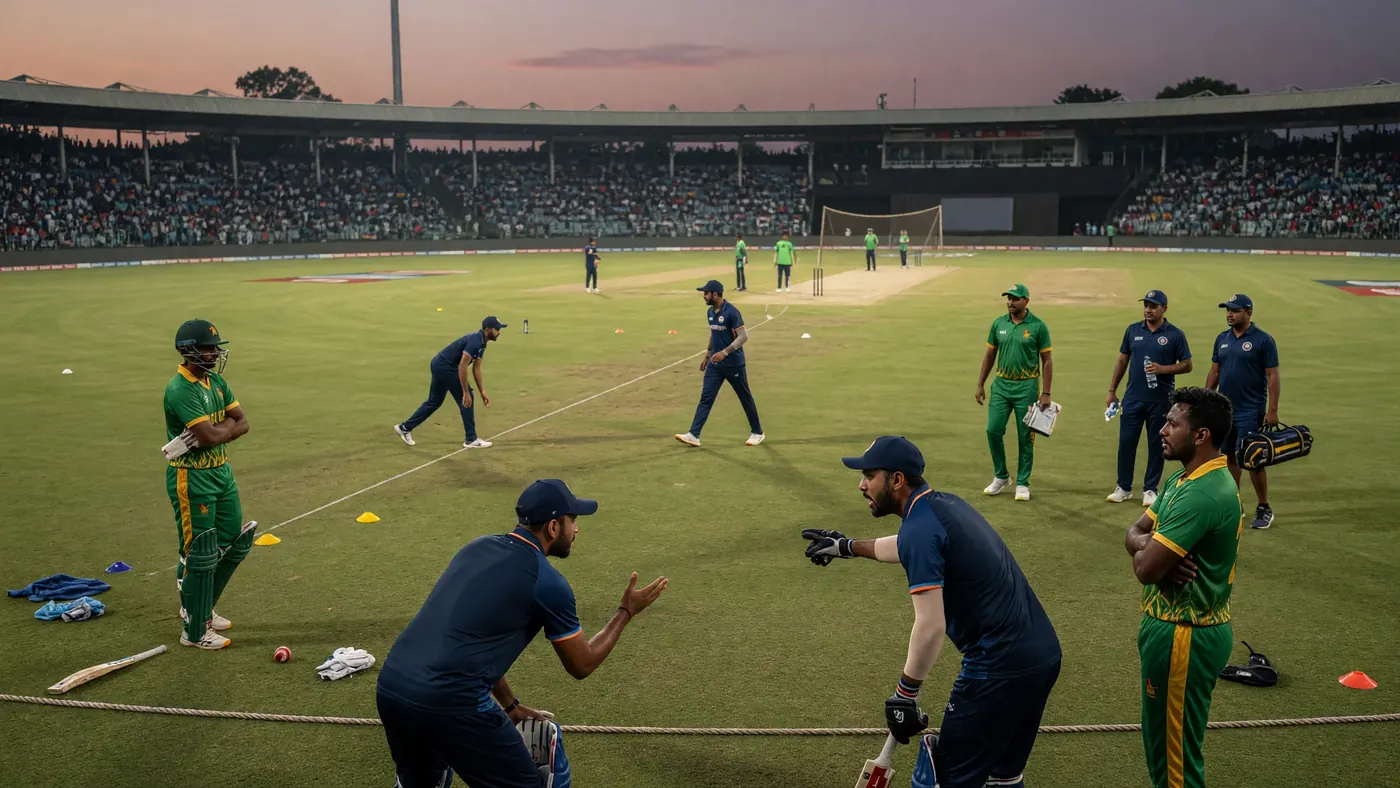
Zimbabwe are captained by Sikandar Raza. The named group includes Brian Bennett, Ryan Burl, Ben Curran, Brad Evans, Clive Madande (wicketkeeper), Tinotenda Maposa, Tadiwanashe Marumani, Wellington Masakadza, Tashinga Musekiwa, Blessing Muzarabani, Dion Myers, Richard Ngarava, Newman Nyamhuri and Milton Shumba.
Even if your draft stays India-heavy, opposition shape still feeds your math. Raza remains the multi-skill fulcrum when fit and batting in the middle order with overs available. Ryan Burl offers left-handed middle-order hitting and leg-spin options. Blessing Muzarabani and Richard Ngarava are the pace names most often asked to create early pressure. Clive Madande carries the gloves in the listed squad.
Home conditions at Harare Sports Club can reward disciplined lengths and local knowledge against a stronger touring side. That does not overturn India’s edge in the head-to-head column, but it does warn against blanking every Zimbabwe starter in small-league builds where a single differential can separate two otherwise identical Indian cores.
If you fade Zimbabwe batters entirely, still track who opens with the new ball for them and where Raza bats. Indian openers’ ceilings depend partly on the new-ball threat they face; Indian death bowlers’ economy risk depends on which finishers are in the opposition XI. Opposition notes are not optional flavour — they are inputs to your own team’s variance.
Head-to-head as a base rate, not a script
Across 14 completed T20Is between the sides, India hold 11 wins and Zimbabwe 3, with no ties and no no-results recorded in that ledger. Use that line as a base rate for series narrative, not as a lock-screen for fantasy points. Points still come from who faces enough balls, who bowls the powerplay or death overs, and who is actually named on the day.
A heavy favourite can still produce quiet individual nights when roles rotate. An underdog finisher can still clear a small-league field on a single matchup. History tells you which side has usually controlled match state; it does not tell you who bowls the 18th over in Harare on 25 July.
For ongoing role and availability notes across this series and other white-ball windows, the Fantasy Cricket News and Impact Desk keeps match-day updates separated from longer guides so you can refresh assumptions without rebuilding your entire research stack.
Toss graphics and broadcast paths
Live telecast is listed on Unite8 Sports TV channels. Live streaming is listed on the FanCode app and website. Those paths matter for readers who wait on toss interviews and the first on-screen XI graphic rather than leaked social screenshots. Use a feed you can actually open before lock, and treat third-party images as unverified until they match the official team card.
Open the stream early enough to catch the toss and the playing eleven graphic. Pausing research until a secondary account “confirms” the XI is how entries miss the real list by two minutes. If your contest lock is tight, provisional teams should already be one confirmed-gloves swap away from submission.
Match-night checklist for 23, 25 and 26 July
- Remove Samson from every draft and lock a keeper who is named in India’s XI for that matchday.
- Write Sooryavanshi’s batting slot if selected — top-order access is the entire thesis for his longer runway.
- Tag each Indian seamer and spinner with a phase: powerplay, middle, death or shared. Drop names without a phase.
- Check whether Abhishek Sharma, Tilak Varma, Shivam Dube or Harsh Dubey are expected to bowl; dual routes change contest fit.
- Note Zimbabwe’s new-ball pair and Raza’s batting position before locking Indian openers or death bowlers.
- Set a hard entertainment budget for the three-match cluster so a strong first night does not inflate spend on 25 and 26 July.
- Re-open the XI after the toss even if you built a provisional side the night before.
None of these steps produces a guaranteed score. They convert a short bilateral series into three disciplined decisions with clear invalidation rules. When a role changes, the pick changes. When the role holds, ordinary cricket variance is easier to accept without rewriting the process after every quiet over.
The next concrete checkpoint is the first ball in Harare on 23 July 2026 at 4:30 PM IST. Until that toss card is public, keep salary flexible, keep the keeper slot honest, and keep phase tags empty rather than guessed.
Continue the decision chain
After the Harare XI is named, revisit toss timing, opening-batter ball access and your pre-set entertainment limits before the next lock.
Questions about the Harare T20Is
When do India play Zimbabwe in this T20I series?
Three matches at Harare Sports Club on 23, 25 and 26 July 2026, each scheduled for 4:30 PM IST.
Who captains India in Harare?
Shreyas Iyer leads after taking over T20 captaincy from Suryakumar Yadav. His first two series as skipper finished 2-0 against Ireland and 4-0 against England, with one England match washed out.
Why is Sanju Samson missing from fantasy drafts for this series?
Samson has been rested after being named Player of the Tournament at the 2026 T20 World Cup. Use the confirmed gloveman and batting order instead.
What is the T20I head-to-head between India and Zimbabwe?
Across 14 matches the ledger reads India 11, Zimbabwe 3, with no ties and no no-results in that record.
Where can fans watch the series?
Telecast is listed on Unite8 Sports TV channels; streaming is listed on the FanCode app and website.
Does this field note guarantee fantasy points?
No. Lineups, phases and match scripts can change every evening. Treat every recommendation as conditional until the toss.